Phoenix window treatments that amplify your decor preferences
The Ultimate Overview to Blinds: Types, Benefits, and Picking the Right Fit for You
The globe of home window therapies is vast and varied. Blinds are available in many styles, each offering unique advantages for different setups. Comprehending these options is necessary for making educated choices. Additionally, aspects like material choice and room capability play a substantial duty. As one considers the excellent balance between appearances and practicality, the subtleties of gauging and maintaining blinds additionally become crucial elements. What should one focus on when choosing the ideal home window remedy?
Kinds of Blinds: A Thorough Review
Blinds serve as both functional and aesthetic elements in interior design, offering numerous alternatives to match diverse choices and demands. Amongst the most popular types are Venetian blinds, defined by horizontal slats that can be changed for light control and privacy. Roller blinds, recognized for their simpleness and flexibility, can be found in an array of materials and patterns, making them ideal for traditional and contemporary settings. Vertical blinds, generally utilized for larger windows or gliding doors, allow for simple modification and are usually made from material or vinyl.
Roman blinds, with their sophisticated folds, include a touch of class to any kind of space, while mobile tones offer insulation and power efficiency. In addition, bamboo blinds offer an all-natural, eco-friendly alternative, infusing spaces with heat. Each kind has one-of-a-kind functions and styles, making certain home owners can discover the excellent suitable for their particular decoration and functional demands.
Advantages of Setting Up Blinds in Your Home
The setup of blinds in a home provides a number of significant advantages. They provide improved privacy control, permitting property owners to regulate visibility from the exterior. Additionally, blinds add to energy effectiveness by aiding to handle indoor temperature levels, decreasing the reliance on heating and cooling systems.
Enhanced Personal Privacy Control
When homeowners look for to boost their space, setting up blinds supplies a considerable advantage in privacy control. Blinds provide a functional remedy for controling exposure from both the inside and exterior of the home. By readjusting the slats or raising the blinds, people can easily manage the quantity of light going into while at the same time obstructing the sight from outside. This versatility permits house owners to develop a comfortable ambience without sacrificing natural light. Furthermore, numerous styles and materials are readily available, making sure that homeowners can pick alternatives that flawlessly mix with their decoration while boosting privacy. Inevitably, the installation of blinds offers as a reliable means to guard personal room, urging leisure and peace of mind within the home setting.
Energy Performance Renovation
Setting up blinds not just enhances personal privacy however additionally considerably adds to energy efficiency in the home. By managing natural light and reducing heat transfer, blinds can assist maintain a regular interior temperature level. During warmer months, shutting blinds can shut out too much sunshine, therefore decreasing the reliance on a/c. Alternatively, in cooler months, they can supply insulation by trapping heat, decreasing home heating prices. In addition, energy-efficient blinds, such as mobile shades, are developed specifically to lessen energy loss. By buying top quality blinds, house owners can produce an extra comfy living atmosphere while also reducing power expenses. Ultimately, the installment of blinds acts as a sensible remedy for those seeking to boost both comfort and energy efficiency in their homes.
How to Pick the Right Blinds for each and every Space
Exactly how can one identify one of the most appropriate blinds for each and every area in a home? The option procedure begins with assessing the room's function and environment. As an example, in living locations, functional blinds that allow light control while guaranteeing personal privacy are optimal. In bed rooms, blackout blinds can improve sleep quality by obstructing out exterior light.
Kitchen areas and washrooms need moisture-resistant choices to hold up against moisture, making vinyl or synthetic wood blinds appropriate choices. In addition, the wanted aesthetic plays a crucial duty; collaborating blinds with the area's design improves the total atmosphere.
Take into consideration the quantity of all-natural light each room gets; lighter blinds might be more effective for dark areas, while darker options can include heat to solar blinds for windows sunlit spaces. Inevitably, recognizing details requirements and preferences for performance and design will direct home owners in making educated decisions tailored to each room's one-of-a-kind requirements.
Material Options: Wood, Vinyl, Fabric, and A lot more

Wood Blinds Benefits
Wood blinds are a preferred selection amongst property owners seeking a blend of looks and performance. One substantial benefit of timber blinds is their natural beauty, supplying a cozy and welcoming appearance that boosts any interior decor. They are readily available in various surfaces and shades, allowing for modification to match personal design. Furthermore, timber blinds supply excellent light control and privacy, as their slats can be easily adapted to filter sunshine while preserving privacy. Their durability is one more benefit; with proper care, timber blinds can last for many years without losing their charm (Phoenix custom blinds). Additionally, they have insulating residential properties, helping to regulate interior temperatures and potentially reducing power costs. In general, timber blinds combine sophistication and practicality, making them an optimal option for lots of homes
Vinyl Sturdiness Includes
Plastic blinds stand apart for their phenomenal durability, making them a practical choice for various atmospheres. These blinds are resistant to wetness, making them excellent for areas such as restrooms and cooking areas where moisture can be a concern. Unlike timber, plastic does not warp, fracture, or fade under sunlight, ensuring long-lasting efficiency and marginal upkeep. Furthermore, they are offered in a selection of shades and designs, permitting house owners to personalize their look without giving up longevity. Plastic blinds are likewise simple to tidy; a basic wipe with a wet cloth is frequently sufficient to maintain them looking fresh. In general, their strength and low maintenance make vinyl a popular alternative among property owners seeking both functionality and read this visual charm.
Textile Alternatives Overview
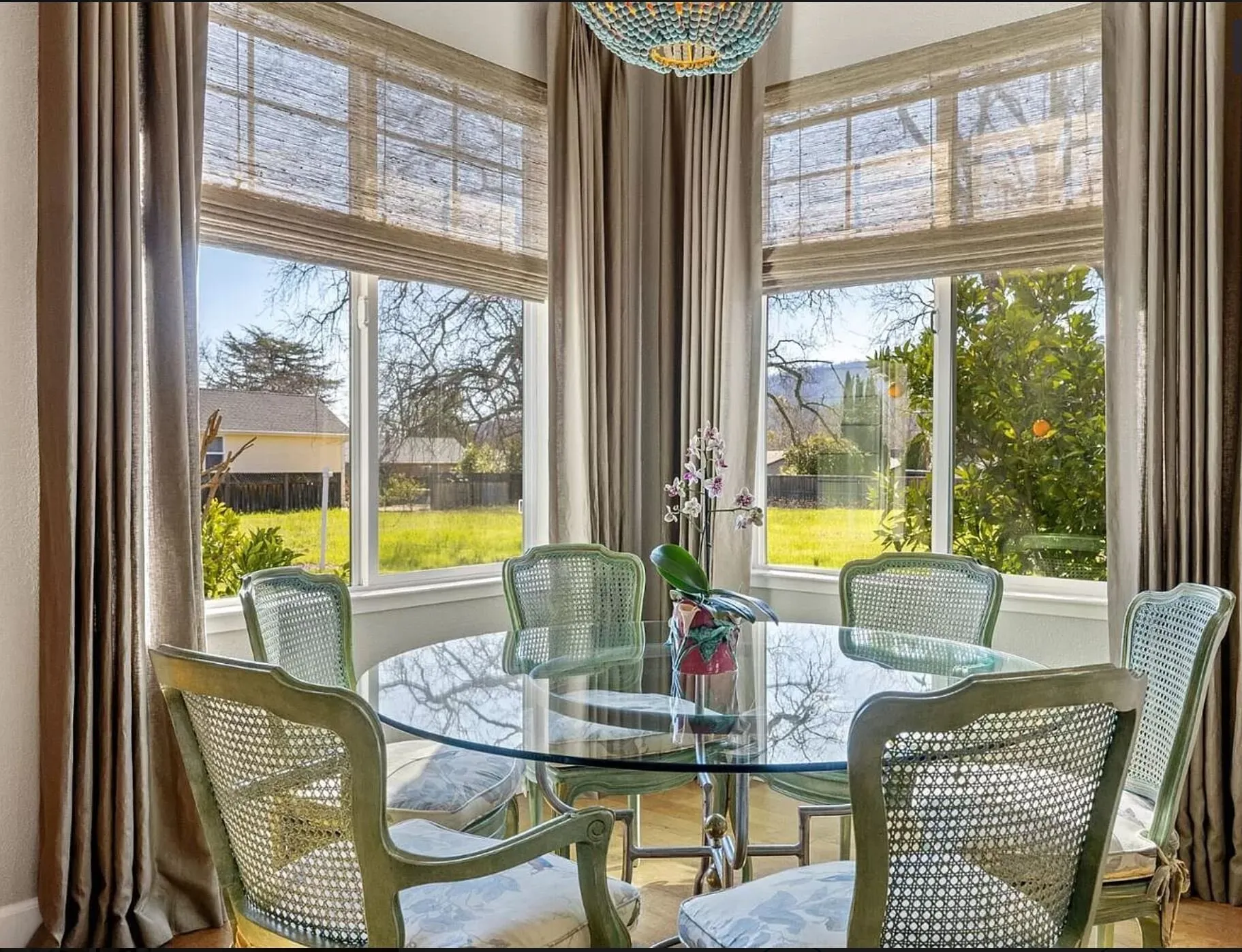
Blinds can be found in a range of material choices that accommodate different aesthetic and useful needs. Usual products include material, plastic, and timber, each offering special advantages. Timber blinds offer a classic, cozy visual and superb insulation yet need upkeep to stop bending. Plastic blinds are moisture-resistant and resilient, making them suitable for high-humidity areas like bathrooms and kitchens. Textile blinds, offered bamboo shades outdoor in countless colors and patterns, supply adaptability and softness, improving home decor while providing differing degrees of light filtering. In addition, options like faux timber supply the look of natural wood with included sturdiness. When picking blinds, it is important to assess the particular requirements of each area to assure peak efficiency and design.
Gauging and Setting Up Blinds: Tips for Success
Although gauging and installing blinds might appear uncomplicated, mindful attention to detail is very important for accomplishing an excellent fit. Initially, it is important to determine the window framework precisely, keeping in mind both the width and elevation. For within places, deduct a little quantity from the width to ensure a clean fit, while outdoors mounts should extend beyond the frame for far better light control and visual appeals. Utilizing a steel measuring tape is recommended for accuracy.
When mounting, collect all needed devices, such as a degree, drill, and screws. Following the manufacturer's guidelines is critical to assure proper installation. It is advisable to pre-drill openings to stop harming the braces. In addition, having a second person can make the process smoother, particularly when lifting larger blinds. After setup, examination the blinds to validate they operate smoothly and readjust as required for optimum capability.
Upkeep and Treatment for Long-Lasting Blinds
Correct upkeep and care can substantially extend the life expectancy of window treatments. Regular cleaning is vital; utilizing a soft towel or a microfiber duster can efficiently remove dust without scraping surface areas. For deeper cleansing, a mild option of soap and water is recommended, used with a soft sponge, guaranteeing that no wetness seeps right into the mechanisms.
For fabric blinds, place cleaning is recommended, while wood blinds ought to be treated with a wood-safe cleaner to keep their coating. Avoid subjecting callous too much dampness, warm, or direct sunshine, which can result in warping or fading.
Additionally, routine assessment of cords and devices can prevent deterioration. It's important to follow producer standards for certain products, as various blinds may have distinct treatment demands. By taking on these simple maintenance practices, home owners can guarantee their blinds remain functional and visually pleasing for several years to come.
Frequently Asked Concerns
Can Blinds Help Reduce Energy Costs in My Home?
Blinds can efficiently minimize power prices in a home by providing insulation, blocking heat during summertime, and maintaining heat in winter months. Their capacity to regulate light and air circulation boosts power performance throughout the year.
Are There Child-Safe Options for Blinds?
Yes, there are child-safe alternatives for blinds. These consist of cordless layouts, retractable cords, and safety and security tools that get rid of dangling cables, ensuring a safe and secure environment for kids while keeping functionality and aesthetic allure in homes.

Just How Do Blinds Contrast to Drapes or Shades?
Blinds normally use a lot more accurate light control and space efficiency than drapes or shades. Phoenix window treatments. They are commonly simpler to keep and clean up, while curtains offer a softer aesthetic, and tones can offer differing insulation advantages
Can I Personalize the Color and Design of My Blinds?
Yes, blinds can be tailored in both design and color. Various suppliers use a vast array of alternatives, enabling customers to choose products, patterns, and shades that suit their individual aesthetic and home style.
What Is the Average Life-span of Various Sorts Of Blinds?
The typical lifespan of blinds varies: timber blinds last 5-10 years, fake wood 7-10 years, aluminum 5-10 years, and textile shades around 5 years, relying on upkeep, use, and direct exposure to sunlight.
Bathrooms and kitchen areas require moisture-resistant options to stand up to humidity, making plastic or faux timber blinds appropriate choices. Timber blinds supply natural elegance and warmth, while plastic gives durability and simplicity of upkeep. One substantial advantage of wood blinds is their all-natural charm, using a warm and inviting look that improves any type of interior decoration. Furthermore, timber blinds offer superb light control and personal privacy, as their slats can be easily adjusted to filter sunshine while preserving privacy. For textile blinds, place cleansing is suggested, while wood blinds need to be treated with a wood-safe cleaner to preserve their surface.